Dispatches from the deck

The Bridge log

Honest updates, lessons learned, and progress as we grow — one island, one wave at a time.

🎆 FestivalAugust 14, 2026

Dream Fireworks

Rito Saisei Bridge Foundation

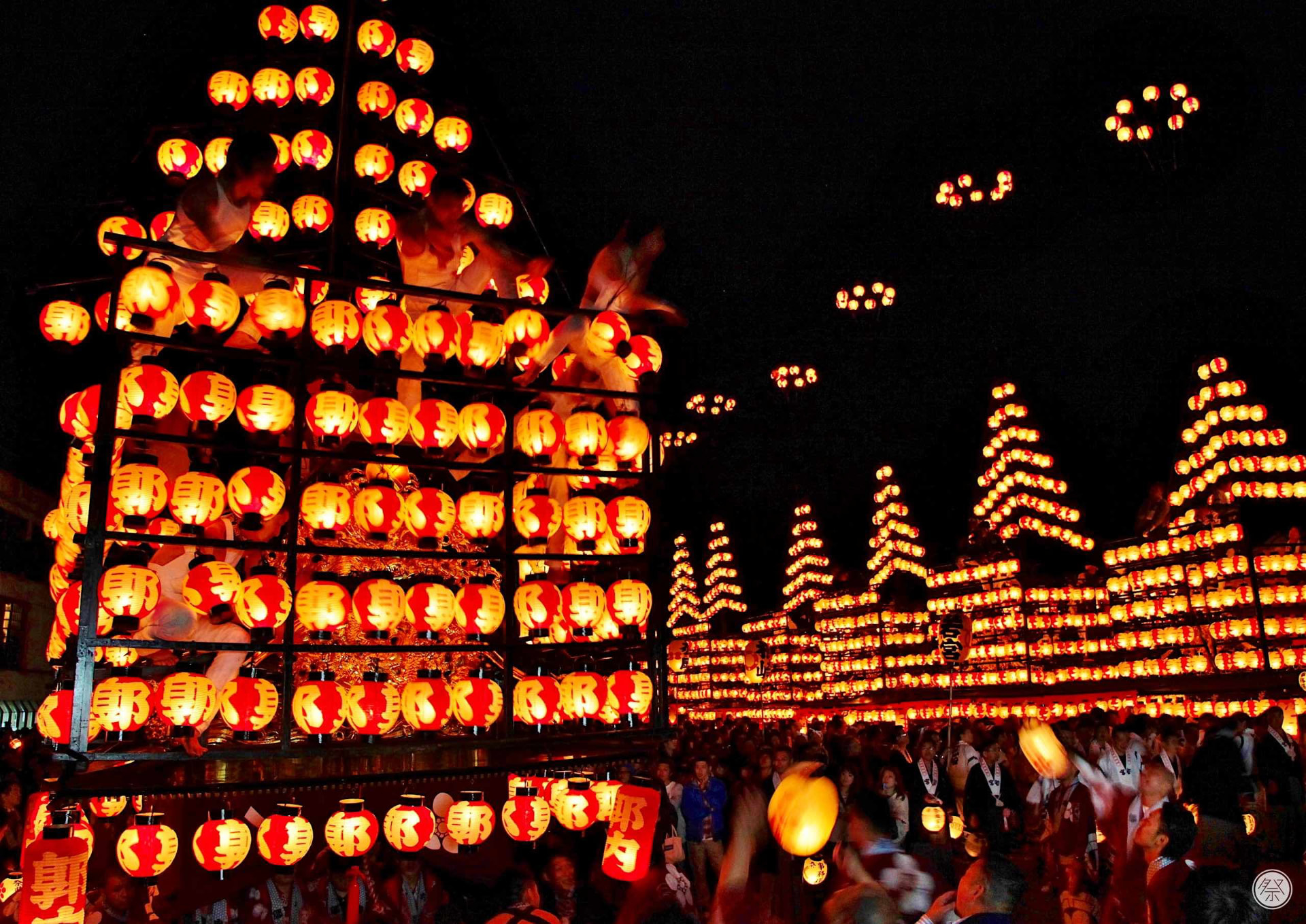
Tomorrow night, on the grounds of the Ōshima Disaster Prevention Center in the Kuka district of Suo-Ōshima, roughly 1,500 fireworks will scream into the sky from close enough to rattle your chest. The locals call them 夢花火 — yume hanabi, "dream fireworks" — and the festival that launches them, the くか夢夏まつり (Kuka Yume-Natsu Matsuri), is one of those events that only exists because a handful of people refused to let it die.

That refusal is the whole story. And it's the reason Rito Saisei Bridge exists.
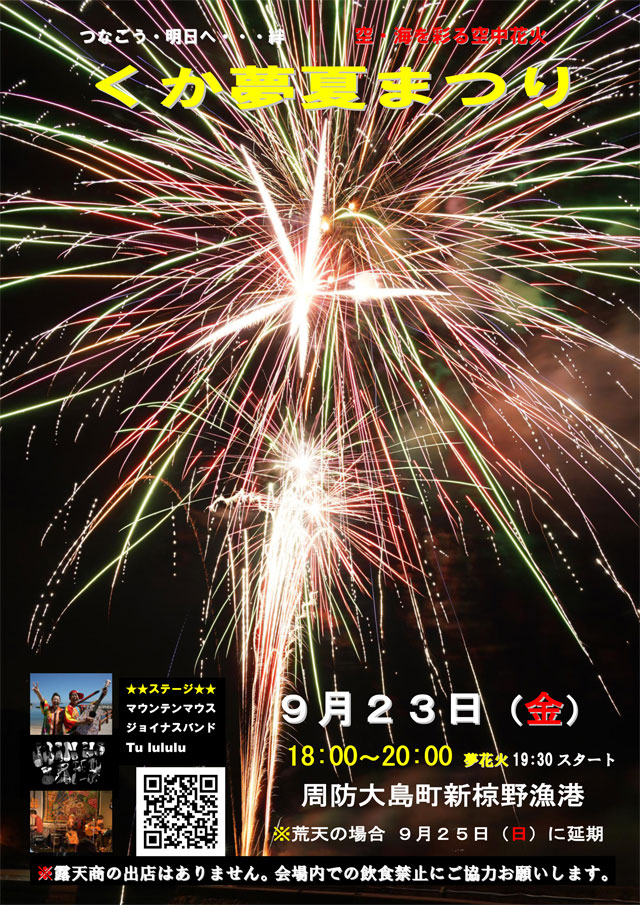
Kuka Yume-Natsu Matsuri 2026 festival poster — fireworks over the Suo-Ōshima coast

くか夢夏まつり 2026 poster — 9月23日 (金) at the Ōshima Disaster Prevention Center Plaza in Kuka.

A Festival That Outlived Its Government

Suo-Ōshima is the third-largest island in the Seto Inland Sea, connected to Yamaguchi Prefecture's mainland by the Ōshima Bridge. Its Kuka district used to be its own town — Kuka-chō — with its own summer festival, the Furusato Kuka Natsu Matsuri. The local government ran it. Festival stalls lined the plaza. Fireworks shook the ground. For people who grew up on the island and moved away, Obon in Kuka was the anchor of the year — the thing that brought you home.

Then came the 2004 municipal merger. Four towns consolidated into the new Suo-Ōshima Town. Budgets shifted. Priorities changed. By 2006, the town government stopped running the festival entirely.

That could have been the end of it. In depopulating communities across Japan, it usually is. The government steps back, no one steps forward, and one summer the festival simply doesn't happen. Then the next summer no one expects it to. Within a few years, the memory fades.

But in Kuka, a small group of residents — just a handful of volunteers — formed the くか夢夏まつり実行委員会 (Kuka Yume-Natsu Matsuri Executive Committee) and took the whole thing on themselves. Every piece of it: the fireworks procurement, the stage setup, the security, the vendor coordination. In 2012, they gave it a new name — くか夢夏まつり, the "Kuka Dream Summer Festival" — and they've run it every August 15th since.

That's twenty years of a community holding its own festival together by sheer will.

What Twenty Years of Depopulation Looks Like

The committee's 2026 crowdfunding campaign on Campfire tells the story plainly: population decline, aging corporate sponsors closing their businesses, and rising costs have left the festival short on operating funds. The total budget to put on the event is ¥3.3 million — roughly $21,000 USD. They fund it through a patchwork of corporate sponsorships, a government subsidy, and this year, a crowdfunding campaign that aimed for ¥1,000,000.

It raised ¥2,000. Two supporters. 0.2% of the goal.

The festival is happening tomorrow anyway. Because the committee made it happen anyway, the way they have for two decades. But the gap between what the community needs and what it can raise on its own is the gap that defines life on Japan's depopulating islands — the ritō.

Why This Matters to RSBF

At Rito Saisei Bridge Foundation, we talk about ritō revitalization. But revitalization isn't an abstraction. It looks like the Kuka Yume-Natsu Matsuri: a community event that gives island kids summer memories, draws Obon homecomers back to the place they grew up, and keeps the connective tissue of island life from fraying away. The committee's own words say it best — they want to create a place where everyone in the community gathers and connects, and pass this event on to the next generation.

These festivals are the first thing that disappears when a community hollows out. When the last volunteer ages out, when the sponsorship money dries up, when the young people who would have taken over left for Hiroshima or Osaka a decade ago — the festival goes dark, and with it goes one of the last reasons to come home.

RSBF is built on the belief that ritō communities don't need to be rescued. They need bridges — logistical support, youth engagement, connections to resources and people who care. The Kuka committee doesn't need someone to come in and run their festival for them. They've been doing that for twenty years. They need the gap filled. They need the kind of support infrastructure that turns a ¥2,000 crowdfunding result into something closer to the ¥1,000,000 they were aiming for.

Tonight, in Kuka

If you're anywhere near Suo-Ōshima tomorrow evening, the gates open at 5:30 PM and the dream fireworks launch at 8:30. There are food stalls, kitchen cars, a beer garden, and stage performances. Parking is limited — about 200 spots — so the committee asks that you carpool. The venue is the Ōshima Disaster Prevention Center Plaza in Kuka (周防大島町久賀5066-5).

But even if you can't be there, know that festivals like this one are happening — and struggling — on islands across Japan. They're the heartbeat of communities that the rest of the country has mostly stopped paying attention to.

We're paying attention.

Rito Saisei Bridge Foundation supports youth development and community vitality in Japan's depopulating island communities through surf and skate culture, maritime logistics, and direct engagement. Learn more about our mission.

RSBF is still in its early stages — we're currently awaiting trademark registration and our founder is finishing his degree in East Asian Studies at the same time. We're building this thing in public, one step at a time. If the work resonates with you, follow along.

Sources: Yamaguchi Prefecture Tourism Board, Suo-Ōshima Tourism Association, Kuka Yume-Natsu Matsuri Executive Committee (Campfire crowdfunding page).
Share the ripple
🌊 ResilienceJuly 29, 2026

Resilience in the Heart of Japan: How the Seto Inland Sea Continues to Thrive During Times of Uncertainty

Rito Saisei Bridge Foundation

Recent earthquakes in southern Japan have once again reminded the world that Japan is one of the most seismically active countries on Earth. As emergency responders, scientists, and local communities work together in the affected regions, many people outside Japan naturally wonder how other parts of the country are being impacted.

For those who know and love the Seto Inland Sea, the answer offers an important lesson in resilience.

A Region Built for Preparedness

The Seto Inland Sea (Setonaikai) has long been recognized as one of Japan's most stable and livable regions. Nestled between Honshu, Shikoku, and Kyushu, it has a sheltered geography that has shaped centuries of maritime trade, fishing, agriculture, and close-knit island communities.

While no place in Japan is immune to earthquakes, the Setouchi region has benefited from decades of investment in seismic engineering, disaster preparedness, and resilient infrastructure. Bridges, ports, public buildings, and transportation networks are designed with earthquakes in mind, allowing communities to continue functioning even as authorities remain vigilant during seismic events elsewhere in the country.

Everyday Life Continues

One of the remarkable characteristics of the Seto Inland Sea is not the absence of natural hazards — it is the ability of communities to adapt and continue.

Across the region, ferries continue to connect islands, businesses remain open, ports continue to support regional commerce, and residents go about their daily lives while staying informed through Japan's advanced earthquake early warning systems. Preparedness is woven into everyday life, from school evacuation drills to municipal emergency planning and regular infrastructure inspections. These practices help communities respond quickly and confidently whenever seismic activity occurs.

Geography Matters

The geography of the Seto Inland Sea plays an important role in its resilience.

Unlike Japan's open Pacific coastline, the Inland Sea is surrounded by the main islands of Honshu, Shikoku, and Kyushu. This enclosed body of water naturally moderates wave energy and generally reduces exposure to many tsunami scenarios generated in the Pacific Ocean. While earthquakes can still be felt throughout western Japan and preparedness remains essential, the region's sheltered setting provides an additional layer of protection compared with many coastal areas.

A Model for Sustainable Communities

At Ritosaisei Bridge, we often talk about regional revitalization, but resilience is an equally important part of that conversation.

Revitalization is about more than attracting visitors or restoring historic buildings. It is about creating communities that can withstand challenges while continuing to offer a high quality of life. The Seto Inland Sea demonstrates this balance through thoughtful planning, strong local leadership, and infrastructure designed for the realities of living in Japan.

Whether supporting island economies, maintaining reliable transportation, or preserving cultural heritage, the region continues to show how preparation and community investment create long-term sustainability.

Looking Forward

As Japan responds to recent seismic activity elsewhere, the Seto Inland Sea offers a reassuring example of resilience in action. Life here continues not because the region ignores natural risks, but because generations of planning, engineering, and community cooperation have prepared people to face them together.

For residents, visitors, and those considering investing in or relocating to the region, this resilience is one of the Seto Inland Sea's greatest strengths. It reflects a culture that values preparedness, respects nature, and continually invests in the future of its communities.

At Rito Saisei Bridge, we believe these qualities are at the heart of regional revitalization. The Seto Inland Sea is more than a beautiful destination; it is a living example of how communities can thrive through resilience, collaboration, and a shared commitment to the future.

Share the ripple
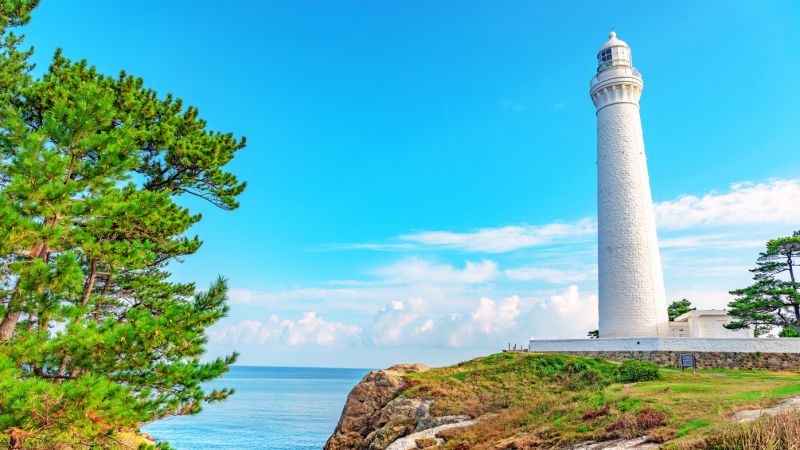
White lighthouse overlooking the sea framed by pines on a bright summer day in Japan
海の日 · Marine Day
🌊 HolidayJuly 20, 2026

海の日 — Happy Marine Day

Rito Saisei Bridge Foundation

Today is 海の日 (Umi no Hi) — Marine Day — one of Japan's most meaningful national holidays and one that sits at the very heart of what we do at Rito Saisei Bridge.

What Is Marine Day?

Marine Day is Japan's annual celebration of the ocean and everything it provides. Japan is the only country in the world with a national holiday dedicated specifically to honoring the sea — and for good reason. This is a nation of over 6,800 islands, surrounded by waters that have shaped its culture, economy, and identity for thousands of years. The holiday asks a simple but powerful question: What do we owe to the ocean?

The origins trace back to 1876, when Emperor Meiji completed a historic voyage aboard the Meiji Maru, a Scottish-built sailing vessel, returning to the port of Yokohama after touring the northern regions of Tōhoku and Hokkaidō. That journey symbolized Japan's emergence as a modern maritime nation. In 1941, the date was formally recognized as Marine Memorial Day (海の記念日), and in 1996 it became a full national holiday. Since 2003, it's been observed on the third Monday of July as part of Japan's Happy Monday system — giving families a long weekend to head to the coast, visit aquariums, and reconnect with the water.

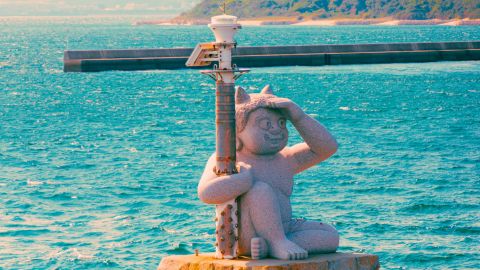
Stone cat statue guarding a small harbor beacon along the Seto Inland Sea
Guardians of the harbor — small shrines and statues watch over Japan's island ports.

More Than a Day Off

For many in Japan, Marine Day marks the unofficial start of summer. Beaches fill up. Aquariums host special exhibits. The Maritime Self-Defense Force dresses their ships in flags and banners. Families pack into cars and head for the coast.

But beneath the celebration is something deeper — a collective pause to reflect on how fundamentally the ocean shapes daily life in Japan. Fish on the table. Goods arriving by sea. Ferries connecting island communities to the mainland. The salt air and the tides that define the rhythm of coastal towns.

For Japan's remote islands — the 離島 (ritō) — the ocean is not an abstraction. It is the road. It is the lifeline. And increasingly, it is the barrier that accelerates the isolation of communities already struggling with depopulation.

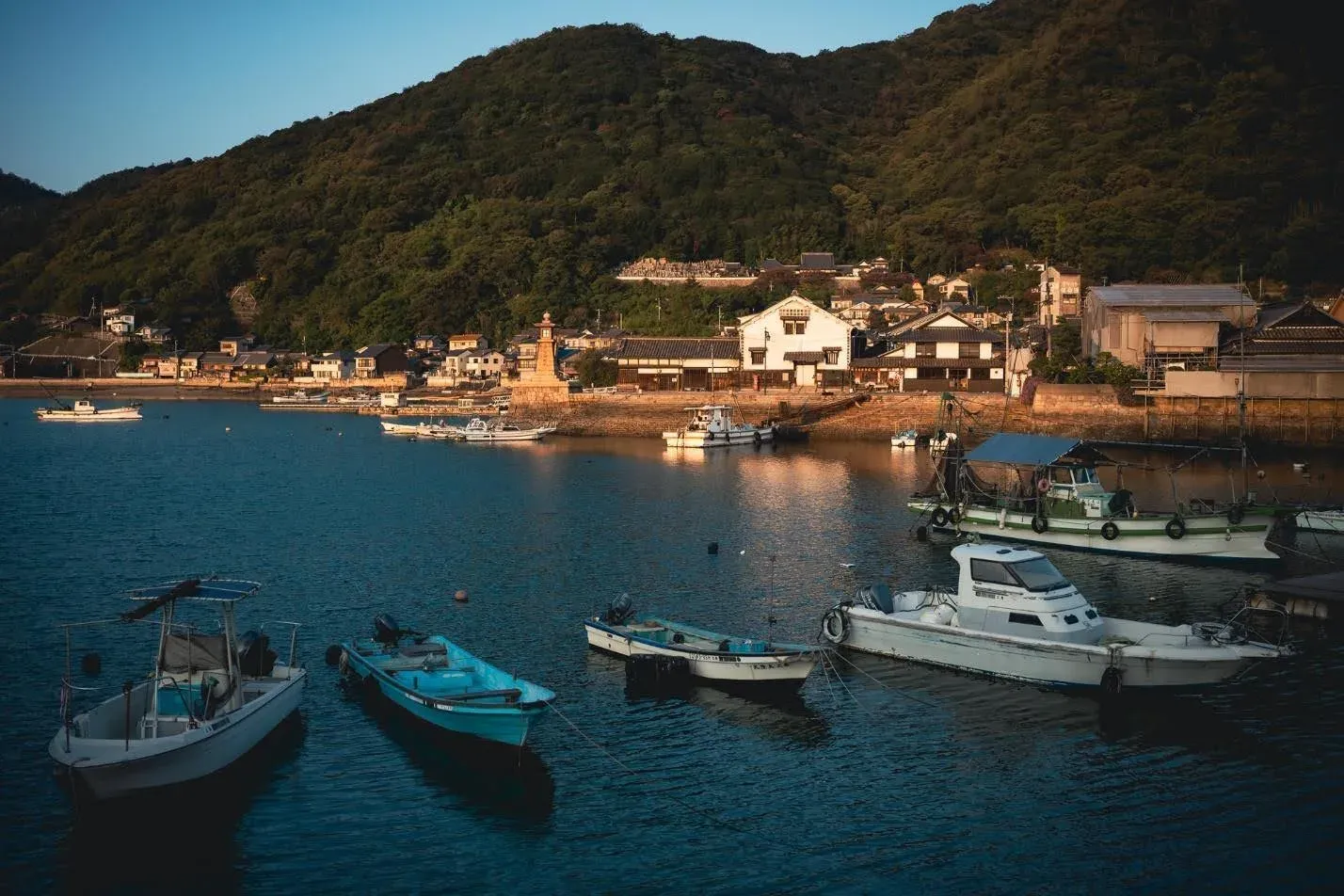
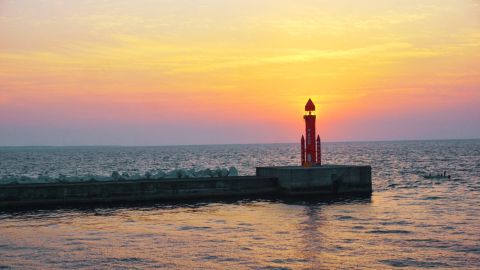
Red harbor beacon silhouetted against a golden Seto Inland Sea sunset
Sunset over a working harbor — the ocean as road, lifeline, and horizon.

Why Marine Day Matters to Us

At Rito Saisei Bridge, we think about the ocean every day — not just on 海の日.

Our mission is rooted in the belief that the culture, traditions, and natural beauty of Japan's remote island communities are worth preserving. We are not here to change anything. These islands already have something extraordinary — generations of knowledge, craftsmanship, and ways of living shaped by the sea. What they face is not a lack of identity but a loss of people.

Depopulation is quietly eroding the communities that have defined island life for centuries. Young people leave for the mainland. Schools close. Ferry schedules thin out. The things that made these places special begin to disappear — not because they failed, but because there weren't enough people left to carry them forward.

That's where we come in. Through surf and skate culture — boardshaping, ramp building, community service — we create pathways for young people to stay connected to their islands. Our programming is modeled on structures already familiar in Japanese life: senpai-kōhai mentorship and bukatsu-style progression. The goal isn't to bring something new from the outside. It's to give the next generation a reason to care about what's already there.

On the logistics side, our Godo Kaisha supports maritime cargo access for these same communities — because preservation means nothing if the supply lines that sustain island life keep shrinking.

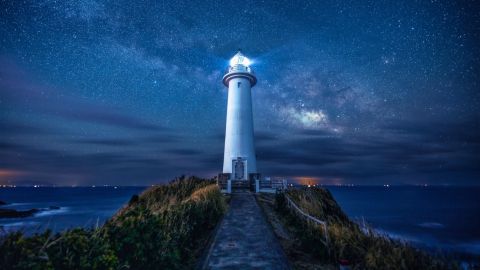
Lighthouse under the Milky Way on a remote Japanese cape at night
A beacon under the Milky Way — the sea connects, even in the dark.

A Day to Remember What the Ocean Connects

Marine Day was created to honor Japan's relationship with the sea. For us, that relationship is personal. The Seto Inland Sea — where we're building our operations from Suō-Ōshima in Yamaguchi Prefecture — is one of the most beautiful and historically rich maritime landscapes in the world. Its islands deserve to be more than a memory.

Today, wherever you are, take a moment to think about what the ocean connects rather than what it separates. That's the spirit of 海の日. And that's the spirit of 離島再生.

Happy Marine Day.

Rito Saisei Bridge Foundation is a nonprofit focused on youth development and cultural preservation in Japan's depopulating island communities. Learn more at ritosaiseibridge.com.

Share the ripple
✎ UpdateJuly 19, 2026

Legal and Company Setup: Methodical Advancement

We're continuing to move forward with the essential legal and structural work needed to fully operationalize Rito Saisei Bridge as a Godo Kaisha (GK) in Japan while strengthening our U.S. LLC foundation. This includes refining key documents, exploring partnerships for maritime logistics to remote islands (ritō), and ensuring compliance with relevant regulations around cultural initiatives and youth engagement programs.

Progress in this area is deliberate and careful — we're consulting resources, double-checking details, and building relationships with professionals who understand the nuances of cross-border business structures. While these steps can feel slow at times, they are critical for creating a sustainable, transparent, and impactful organization. Every review, every clause polished, brings us closer to launching meaningful projects like island revitalization grants, cultural preservation workshops, and manga/arts-based community programs.

Expect more transparency on this front in the coming weeks as milestones are reached. We're committed to doing this right so the "bridge" we build stands strong for years to come.

Academic Pursuits: Balancing Studies with Purpose

On the personal side, I'm still fully immersed in my coursework through the University of Maryland Global Campus (UMGC) East Asian Studies program (Japan focus). This semester's classes continue to provide valuable context and skills that directly support Rito Saisei Bridge's goals — from deeper understanding of Japanese society and policy to research methods that inform our island revitalization strategies.

It's a full plate, but the alignment between studies and our company's mission makes the effort worthwhile. Late nights reviewing materials often spark new ideas for how traditional arts, modern manga, and community logistics can intersect to breathe life back into remote Japanese islands.

Networking and Connections: Building Our Community

I've also been actively expanding our professional network through LinkedIn and CareerQuest. Reaching out to individuals and organizations with shared interests in Japanese cultural preservation, rural revitalization (chiiki okoshi), maritime affairs, and veteran-led enterprises has been encouraging. These conversations are already opening doors to potential collaborators, advisors, and future supporters.

If you're working in related fields — whether in Japan policy, arts education, logistics, or nonprofit development — I'd love to connect. Feel free to reach out via our contact page or find me on LinkedIn.

Looking Ahead

This phase is about patience and persistence. The legal foundations, academic insights, and growing network are all pieces of the larger vision: revitalizing remote islands through cultural and economic bridges, honoring traditional Japanese arts while fostering new creative expressions like manga, and supporting sustainable maritime connections.

We're not there yet, but every week of diligent effort gets us closer. Thank you for following along and for your continued support — whether through kind words, sharing our mission, or future collaborations.

Stay tuned for more updates. In the meantime, if you have thoughts on island revitalization, suggestions for cultural projects, or just want to share your own connection to Japan's remote communities, drop a comment below or email us.

Onward, with purpose,
— Kris Baumann
Founder, Rito Saisei Bridge

Share the ripple
✎ UpdateJuly 11, 2026

A Sincere Update on Rito Saisei Bridge

Dear friends, island communities, and everyone who cares about the future of Japan's remote islands,

I am pleased to share a sincere update on Rito Saisei Bridge. As a newly established initiative, we are currently in the important early stages of development. Our commitment remains firm: fostering sustainable maritime logistics, preserving cultural heritage through the arts, and creating meaningful connections that support the long-term vitality of Japan's remote ritō communities.

At present, I am pursuing full-time studies in East Asian Studies at UMGC, with a focused emphasis on Japan. This academic path deeply enriches our work, while I dedicate consistent daily effort toward realizing our shared vision. Managing health considerations, including disabilities, alongside studies and company-building requires careful balance, yet the profound purpose of this endeavor inspires continued progress each day.

Our Ongoing Efforts

  • Creative Development: I am thoughtfully creating designs for shirts, stickers, and related items that honor remote island life, blend traditional Japanese aesthetics with contemporary expression, and celebrate maritime resilience. These creations aim to serve as both meaningful merchandise and gentle ambassadors for our mission.
  • Legal and Operational Foundations: Behind the scenes, careful attention is being given to the necessary legal and administrative steps. This includes proper structuring under relevant Japanese commercial and maritime frameworks, youth engagement agreements, trademark protections (already secured), and alignment with guidelines from MLIT, JETRO, and other resources essential for responsible island revitalization efforts. We proceed with respect for all regulations to ensure a strong and enduring foundation.

We look forward with quiet confidence toward full operational readiness by 2028, a timeline that thoughtfully aligns with the completion of my studies and allows for thorough, sustainable development.

Looking Ahead Together

Japan's remote islands hold unique cultural and natural treasures, facing important challenges around logistics, demographics, and heritage preservation. Through Rito Saisei Bridge and its future Foundation arm, we aspire to offer respectful, practical support — through reliable maritime connections, arts-based initiatives, and community-centered programs that honor the past while nurturing future opportunities.

We value patience and understanding as we build these foundations with care. Every design, every document, and every step forward is guided by deep respect for the islands and their residents.

An Invitation to Connect

Whether you hail from a remote island community, practice the arts, work in maritime fields, study Japanese culture, or simply share our hopes for these special places, we warmly welcome your thoughts and connection. Please follow our progress here on the website and feel free to reach out.

Thank you sincerely for your interest and goodwill. With steady effort, collaboration, and respect for maritime and cultural traditions, we believe meaningful bridges can be built.

With appreciation,
— Kristopher "Kris" Baumann
Founder, Rito Saisei Bridge

Share the ripple
◇ PrimerJuly 11, 2026

What Is Ritō? Understanding Japan's Remote Islands

Ritō (離島) — literally "detached islands" — is the everyday Japanese term for the country's roughly 400 inhabited remote islands. Japan is an archipelago of more than 14,000 islands in total, but only a fraction sustain year-round communities, and many of those communities are shrinking.

Why ritō matter

Remote Japanese islands are cultural time-capsules. Local dialects, festivals, boat-building traditions, fisheries knowledge, and foodways often survive on ritō long after they've faded from the mainland. They're also strategically important — anchoring Japan's exclusive economic zone, hosting sensitive marine ecosystems, and forming the leading edge of the country's response to climate and demographic change.

The core challenges

  • Depopulation and aging. Many ritō have median ages well over 60, with schools closing as families leave for the mainland.
  • Logistics costs. Every liter of milk, sack of rice, or replacement part rides in on a boat. When routes get thinner, prices rise and options shrink.
  • Cultural transmission. When the last person who knows a song, a net-mending technique, or a shrine ritual passes, that knowledge is gone unless someone was listening.

What "revitalization" actually looks like

Japanese island revitalization isn't about turning ritō into tourist parks. Done well, it looks like reliable supply runs, elder-care partnerships, artisan and youth programs led by residents, and honest documentation of what already exists. That framing shapes every part of Rito Saisei Bridge.

Related reading: why small boats matter for Japan's remote islands and how cultural preservation works in practice.

Share the ripple
⚓ LogisticsJuly 11, 2026

Maritime Logistics for Japan's Remote Islands: Why Small Boats Matter

Big carriers optimize for volume. Remote Japanese islands don't produce volume — they produce specific, urgent, low-margin needs. That mismatch is why so many ritō routes have thinned or vanished, and why small-boat maritime logistics is the practical answer, not a romantic one.

What small-boat routes actually carry

  • Fresh food, medicine, and household staples on predictable weekly cadences.
  • Building materials for elder-home repairs — the kind of load that fills a truck, not a container ship.
  • Cultural and educational cargo: books, instruments, art supplies, sports equipment.
  • Return runs carrying local crafts and produce back to mainland markets.

Why the Seto Inland Sea

The Seto Inland Sea (瀬戸内海) is a natural laboratory for this work — sheltered waters, dense clusters of inhabited islands, and existing port infrastructure that a small operator can plug into without waiting for national-scale investment. Routes here can be spun up as tightly focused, community-vetted circuits rather than sprawling schedules.

Regulatory reality

Operating cargo in Japanese waters means aligning with MLIT (国土交通省) requirements, port authorities, and coastal safety rules. Rito Saisei Bridge's commercial arm is being built as a New Hampshire LLC transitioning into a Japanese Godo Kaisha (合同会社), specifically so the maritime work sits inside — not around — the correct legal framework.

See also: what ritō means and why these routes matter.

Share the ripple
✿ HeritageJuly 11, 2026

Cultural Preservation on Japan's Remote Islands: Arts, Elders, Youth

Ritō cultural preservation only works when it's led by the communities themselves. Outside groups can carry cargo, cameras, and grant paperwork — but the songs, the recipes, the boat lines, and the shrine calendars belong to the residents. Everything else is scaffolding.

Three pillars we focus on

  • Elders. Structured, unhurried listening — recorded with consent — so that lifetimes of knowledge don't leave with a single funeral.
  • Arts. Commissioning and buying from local artists, print-makers, and craftspeople so heritage stays economically alive, not just archived.
  • Youth. A surf & skate pathway (Grom → Rider → Crew → Ambassador) tied to community service — kids who grow up carrying their island forward instead of leaving it behind.

Why arts and sports together

Board culture and traditional Japanese arts share more than you'd think: both reward patience, respect for materials, and a lineage of teachers. Bringing them into the same program lets a kid on a longboard feel connected to the printmaker two streets over — and gives the printmaker a reason to teach.

Keep reading: the founder letter and our most recent sincere update.

Share the ripple
Rito Saisei Bridge logo — Japanese wave and koi artwork with the bridge symbol
✿ Founder letterJuly 9, 2026

Building Bridges to Japan's Remote Islands

In Japan's remote islands (ritō), communities face real challenges — aging populations, youth outmigration, and fading local traditions. At Rito Saisei Bridge, we're working to change that.

Our name means "Remote Island Revitalization Bridge." We aim to connect sustainable maritime logistics and cultural heritage preservation with a powerful youth development program centered on surfing and skateboarding. Through hands-on board culture, mentorship, and a clear progression system (Grom → Rider → Crew → Ambassador), we plan to help island youth build skills, responsibility, and a stronger sense of belonging.

Founded by U.S. Army veteran Kris Baumann, Rito Saisei Bridge is still in its infancy. We are currently in the early planning and foundational stages — laying solid groundwork through research, relationship-building, and careful listening to island communities. This page will serve as a transparent record of our journey: honest updates, lessons learned, and progress as we grow.

If you care about Japan's islands, youth empowerment, or coastal revitalization, we'd love for you to follow along.

— Kris
Founder, Rito Saisei Bridge

Share the ripple